
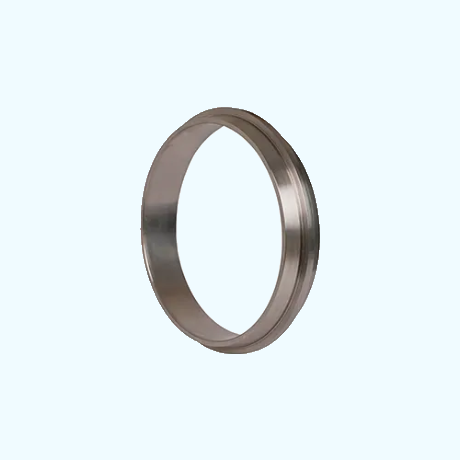
Bonnet Gasket
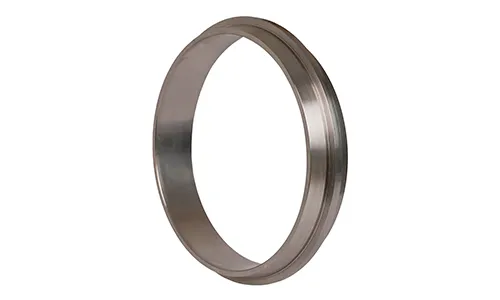
Used extensively in oil and gas, petrochemical, power generation, chemical processing, marine, and industrial manufacturing facilities, bonnet gaskets play a vital role in maintaining safe and efficient valve operation. The gasket compensates for flange surface irregularities while resisting compression loss caused by thermal cycling and pressure fluctuations. As a trusted gasket manufacturer, Better Castings supplies precision-engineered sealing solutions that meet international quality standards and support reliable long-term performance in critical valve applications worldwide.
Bonnet Gasket is a critical sealing component used between the valve body and bonnet assembly to maintain pressure integrity and prevent leakage in industrial piping systems. Designed for demanding operating conditions, it provides a dependable seal under varying temperatures, pressures, and process environments.
Gaskets Enquiry Form
A bonnet gasket is installed between the valve body and bonnet connection to create a pressure-tight seal that prevents process media from escaping through the joint. Better Castings manufactures solid metal bonnet gaskets to customer drawings, machined from forged or cast for oil and gas service.Every bonnet gasket is produced to the dimensions, material grade and surface finish specified by the customer. Because bonnet joints vary by valve design, we work from the drawing rather than a standard catalogue section — supplying the profile the valve requires, in the material the service demands. Common material selections include soft iron and low carbon steel for standard service, 316 stainless and duplex where corrosion resistance is required, and Inconel or Monel for sour service and elevated temperatures. Where the drawing specifies a hardness limit, we control to it; where it does not, gasket hardness is kept below that of the mating valve components so deformation occurs in the gasket rather than in the sealing surfaces.The seal is formed by controlled compression during bolt tightening. Under load the gasket deforms into the microscopic irregularities of the seating surfaces, creating a continuous metal-to-metal barrier against gases, liquids and hydrocarbons. Because the mechanism depends on achieving the correct seating stress, dimensional accuracy and surface finish are as critical as material selection — both are inspected against the drawing on every gasket before dispatch.Materials are supplied to the ASTM specifications called out on the drawing, with certification. Production is controlled under our quality management system, and gaskets are dimensionally inspected to the customer’s tolerances prior to release. Bonnet gaskets can be supplied to suit valves designed to ASME B16.34, API 600 and API 602.
- Designed for secure sealing between valve body and bonnet assemblies
- Suitable for high-pressure and high-temperature service conditions
- Available in metallic, semi-metallic, and soft material constructions
- Excellent resistance to thermal cycling and pressure fluctuations
- Supports leak prevention in critical process systems
- Compatible with gate, globe, check, and pressure seal valves
- Manufactured to precise dimensional tolerances
- Available in custom sizes and material grades
- Suitable for corrosive, steam, gas, and hydrocarbon services
- Meets relevant API, ASME, ASTM, and ISO requirements
Material Options
Material selection depends on process media, operating temperature, pressure rating, and valve design.
Stainless Steel
Stainless steel bonnet gaskets offer excellent mechanical strength, corrosion resistance, and durability. Common grades include ASTM A240 Type 304, 316, and 321 stainless steel for general industrial service.
Carbon Steel
Carbon steel materials are frequently selected for cost-effective industrial applications involving non-corrosive media and moderate operating conditions.
Inconel and Nickel Alloys
Nickel-based alloys provide superior resistance to oxidation, chemical attack, and extreme temperatures. These materials are commonly used in severe process environments.
Other alloy materials can be manufactured to meet specific project specifications and international standards.
Applications
Oil and Gas Production
Used in wellhead equipment, pipelines, processing facilities, and pressure-containing valve systems where sealing integrity is essential.
Petrochemical Plants
Supports leak-free operation in systems handling hydrocarbons, solvents, and process chemicals under demanding conditions.
Power Generation Facilities
Commonly installed in steam valves, feedwater systems, and high-temperature process lines requiring reliable gasket performance.
Chemical Processing
Provides effective sealing in equipment exposed to corrosive chemicals and aggressive process media.
Refinery Operations
Used in critical valve assemblies where pressure containment and operational safety are primary requirements.
Marine and Offshore Systems
Suitable for offshore platforms and marine applications exposed to challenging environmental conditions.
Industrial Manufacturing
Installed in process valves across manufacturing plants to maintain system efficiency and reduce unplanned downtime.
Water and Utility Networks
Supports sealing performance in industrial water treatment and utility distribution systems.
Frequently asked questions
A bonnet gasket is a sealing element installed between a valve body and bonnet to prevent leakage and maintain pressure containment.
It is commonly used in gate valves, globe valves, check valves, pressure seal valves, and other industrial valve assemblies.
Common materials include stainless steel, graphite, PTFE, carbon steel, nickel alloys, and compressed fiber materials.
Yes. Metal bonnet gaskets and pressure seal gasket designs are specifically engineered for high-pressure valve systems.
Depending on application requirements, relevant standards include ASME B16.20 or customer specific requirements.
Selection should consider pressure rating, temperature, media compatibility, valve design, and applicable industry standards.
Yes. Custom dimensions and material combinations can be manufactured to match specific valve configurations and operating requirements.
Oil and gas, petrochemical, power generation, chemical processing, marine, and industrial manufacturing sectors frequently utilize these sealing solutions.
